
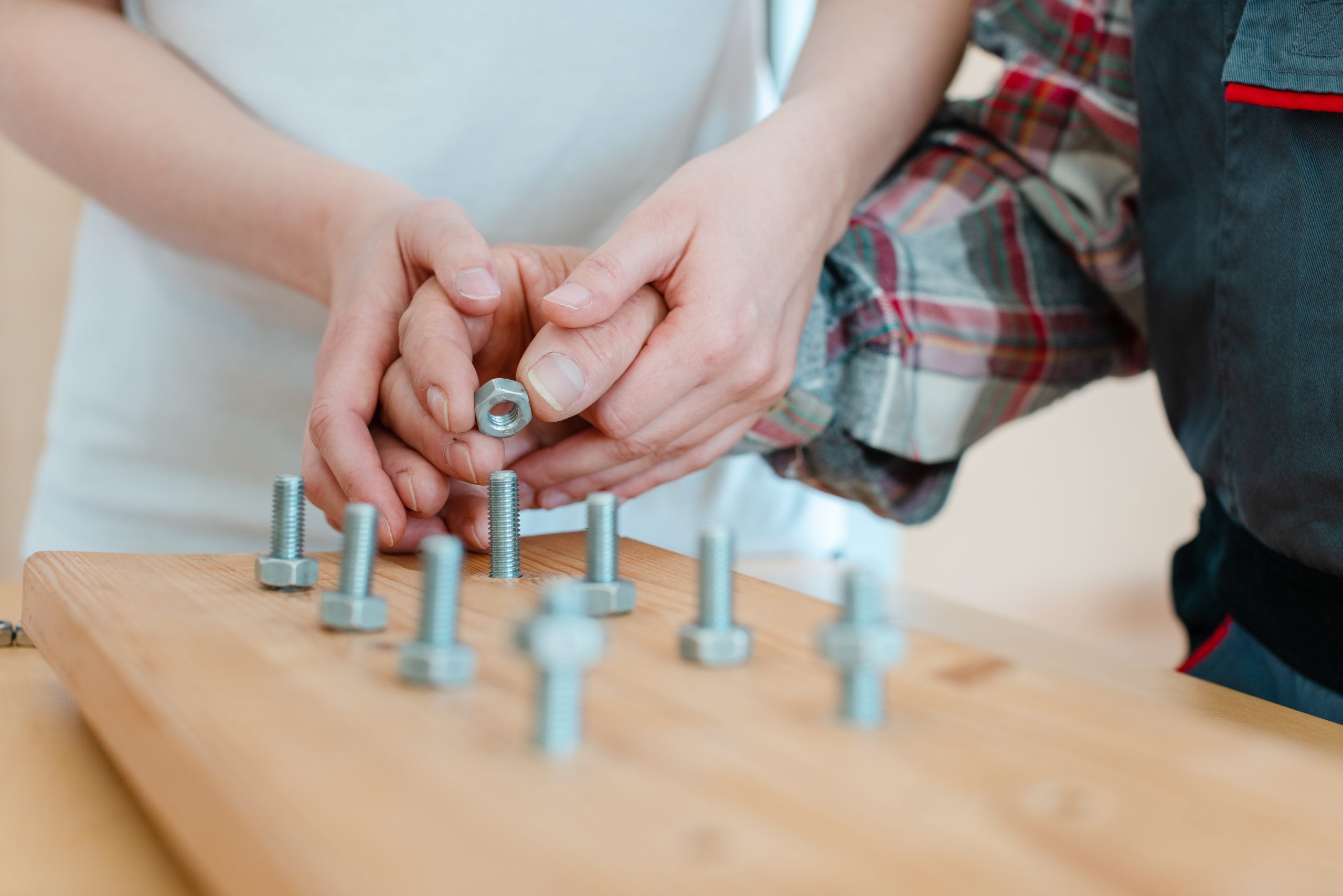
As we age, our lives can become filled with challenges that sometimes feel overwhelming—whether it’s struggling to open a jar or forgetting where we placed our keys. For many seniors, these daily frustrations can take a toll on independence and overall happiness. This is where occupational therapy steps in as a helpful companion, offering support and personalized strategies that turn obstacles into manageable tasks. With its focus on improving everyday functionality, OT enhances quality of life and restores a sense of pride and autonomy in seniors.
Importance of Occupational Therapy for Seniors
Occupational therapy (OT) is truly a lifeline for seniors grappling with the challenges brought on by aging. Designed to help individuals regain and maintain their independence, OT empowers seniors to navigate their day-to-day lives more effectively. By offering tailored strategies and solutions, OT can alleviate frustrations related to physical and cognitive limitations, thus enhancing the overall quality of life.
Enhancing Daily Functionality
According to the American Occupational Therapy Association, an impressive 80% of seniors who engage in occupational therapy report noticeable improvements in their daily functioning. This statistic rings particularly significant considering that more than 20% of individuals aged 65 and older have reported challenges with at least one Activity of Daily Living (ADL), such as bathing, dressing, or meal preparation. The relevance of these improvements cannot be overstated, as very basic tasks tackled successfully can dramatically influence a person’s autonomy and self-esteem.
In OT sessions, the focus often shifts to practical problem solving. Seniors may be introduced to adaptive tools created especially for their needs during occupational therapy sessions, for example. A person suffering from arthritis might be shown how to use kitchen utensils that require less grip strength or ergonomically designed tools that minimize joint strain. These techniques not only make it easier for them to complete tasks but also instill a sense of accomplishment, a crucial component of emotional well-being.
It’s important to recognize that enhancing daily functionality isn’t just about completing tasks; it’s about fostering a renewed sense of independence that can lift spirits and reduce feelings of isolation.
Beyond physical adaptations, occupational therapy sessions often involve creating supportive environments. Therapists evaluate the home setting and recommend modifications like rearranging furniture for easier access or adding safety features like grab bars in bathrooms, which can significantly mitigate risks associated with falls. This proactive approach ensures that seniors feel secure in their living spaces, paving the way for continued independence without compromise.
Imagine going from struggling to get off the couch to moving around your space comfortably. That’s the power of OT, it transforms everyday challenges into opportunities for growth.
Occupational therapy serves as a vital resource for seniors who wish to maintain their independence and improve life quality. By focusing on personalized care plans, OT engages seniors in meaningful ways, empowering them through insightful solutions adapted to their unique circumstances.
Addressing Cognitive and Physical Challenges
Seniors often find themselves navigating a landscape filled with cognitive and physical obstacles that can significantly impact their daily lives.
For example, conditions like arthritis, osteoporosis, and various mobility issues can make simple tasks daunting. Occupational therapists excel in this situation, offering customized exercises that enhance strength and flexibility for these individuals. Imagine an elderly person struggling to reach for a jar on a high shelf or feeling hesitant to tackle stairs, this specialized guidance becomes invaluable. By recommending specific exercises tailored to each individual’s capabilities, therapists help enhance functional ability, making everyday tasks less strenuous. The Mayo Clinic highlights the importance of balance exercises specifically designed to minimize fall risks, reminding us that prevention can make all the difference.
Cognitive Challenges
Cognitive disorders, such as Alzheimer’s disease and other dementias, create profound memory deficits and affect overall cognitive function.
Yet, there’s hope through targeted cognitive training activities designed by occupational therapists. These may encompass puzzles, memory games, and even stimulating social interactions, each strategically chosen to engage the brain actively. Research from the Alzheimer’s Association illustrates that such activities can help slow cognitive decline while enhancing social well-being.
Through creative approaches like group sessions where residents work together on challenging puzzles, communities foster friendships while addressing cognitive decline. They laugh, share stories, and most importantly, keep their minds sharp in a supportive environment.
While addressing these combined challenges promotes independence among seniors, it also opens up pathways for further exploration into local support systems available in Queens.
Activities and Adaptive Techniques for Daily Living
Engaging seniors in various activities provides them with blissful distractions from daily stressors and plays a pivotal role in improving their functional capabilities. Think of it as both a physical and emotional workout, which is why occupational therapists often incorporate adaptive techniques into their sessions. These methods help seniors navigate life more independently while ensuring their safety.
Adaptive Techniques
One of the most valuable contributions an occupational therapist can make is to introduce various adaptive equipment designed specifically for seniors. For instance, shower chairs and grab bars drastically enhance a senior’s ability to safely manage personal care routines. Therapists provide seniors with more than just equipment; they also teach them vital skills like energy conservation. These tips empower seniors to pace themselves throughout the day, allowing them to enjoy cherished activities without overexertion. By teaching seniors to listen to their bodies and prioritize tasks, they foster a sense of control over their well-being.
Engaging Activities
Unleashing creativity and encouraging movement through engaging activities is another cornerstone of occupational therapy for seniors. Gardening stands out not just for its ability to beautify spaces but also for the physical exercise it demands. It’s a nurturing experience where seniors can connect with nature, offering mental relaxation and creating a rejuvenating escape from life’s pressures.
Crafting and art projects present another excellent avenue for engagement. They enhance fine motor skills something as simple as cutting or gluing improves dexterity and allow for self-expression. Whether it’s painting or knitting, engaging hands and creativity provides immense satisfaction while fostering social connections among peers in group settings.
Furthermore, memory games serve dual purposes: they entertain and benefit cognitive health. Playing games that stimulate the mind improves cognitive function while offering social interaction opportunities, which reduces feelings of isolation.
Through thoughtful engagement, be it through adaptive techniques or enjoyable activities, we create an environment where seniors feel valued, stimulated, and empowered in their everyday lives.
Role of the Occupational Therapist
Occupational therapists (OTs) play a vital role in enhancing the lives of seniors by addressing their unique challenges and promoting independence. They take a holistic approach that acknowledges the emotional and social aspects of aging, making them advocates for the elderly’s right to participate in life as fully as possible.
Personalized Care Plan
One of the primary responsibilities of an OT is to create personalized care plans tailored to each senior’s specific needs and preferences. The process begins with a comprehensive initial assessment, during which the OT evaluates strengths, limitations, and goals. This proactive strategy guarantees that therapy is not a universally applicable solution. For example, an OT might design a regimen for a stroke survivor that focuses on regaining upper limb function through specialized exercises. By selecting activities that resonate with individual interests like gardening or crafting. The OT can maximize engagement and motivation. Additionally, these plans are dynamic; they evolve with progress and changing needs, ensuring continuity of care.
Each session becomes an opportunity for not just physical growth but also lasting emotional connections.
Emotional Support
The emotional support provided by OTs is crucial for seniors’ overall well-being. Research shows that those who regularly engage in OT sessions experience a 30% improvement in mental health due to the supportive environment fostered by these professionals. OTs helps address feelings of isolation and depression, creating a safe space for seniors to express their feelings and concerns.
Through encouragement and reassurance, OTs empower seniors to navigate life’s challenges while developing coping strategies tailored to their circumstances.
By focusing on inclusive care, occupational therapists ensure that seniors can find joy and purpose in their daily activities, paving the way for deeper community integration.
Community Engagement Through Occupational Therapy
Community activities serve as a lifeline for seniors, tackling issues like stress and loneliness that can come with aging. Beyond their physical health, maintaining good mental and emotional health is just as critical. Occupational therapists (OTs) help seniors find meaningful activities that promote social interactions and nurture friendships. By connecting with others in the community, seniors can enhance their emotional connections, often leading to improved stability and happiness.
Local Outreach Programs
Take, for instance, outreach initiatives such as SeniorPlanet.org in Queens. This program offers technology classes designed to empower seniors, teaching them how to navigate the digital world and stay connected with family and friends. These classes are essential not only for skill development but also in combating feelings of isolation. OTs within these programs can tailor learning experiences to meet individual needs, ensuring that each participant reaps the benefits of connection through newfound skills.
Additionally, group occupational therapy sessions provide a platform where seniors can engage socially while reaping therapeutic returns on their actions. Activities might include arts and crafts, movement exercises, or discussion groups, all aimed at fostering camaraderie among participants. The scenario is both uplifting and supportive, establishing a network of care that can significantly contribute to a senior’s quality of life.
Volunteer Opportunities
Encouraging seniors to volunteer within local community centers presents another avenue for engagement that enriches lives. Volunteering not only keeps seniors. active but also allows them to give back and feel valued within their communities. Occupational therapists play a crucial role in guiding them towards opportunities that match their skills and interests—whether that’s helping at food banks or participating in local educational programs.
Such placements help create a sense of achievement and purpose, which is especially important later in life. OTs often collaborate with local organizations to ensure seniors find suitable roles that respect their abilities while pushing them gently out of their comfort zones.
These engagements positively affect the mental and emotional wellness of older adults, reinforcing their sense of belonging while allowing them to integrate more seamlessly into their communities. As seniors volunteer within their local community, they build friendships and establish goals for meaningful experiences and future aspirations.
Enhancing Independence and Quality of Life: Chapin Home for the Aging—Your Trusted Expert in Occupational Therapy in Queens
As we age, maintaining independence and a high quality of life becomes increasingly important. At Chapin Home for the Aging, we understand the challenges that come with aging, injury, or illness, and we are committed to helping seniors regain their functional abilities through expert occupational therapy in Queens. Our dedicated team of licensed occupational therapists provides personalized care to help residents and outpatients achieve greater independence, confidence, and overall well-being. Contact us today!