
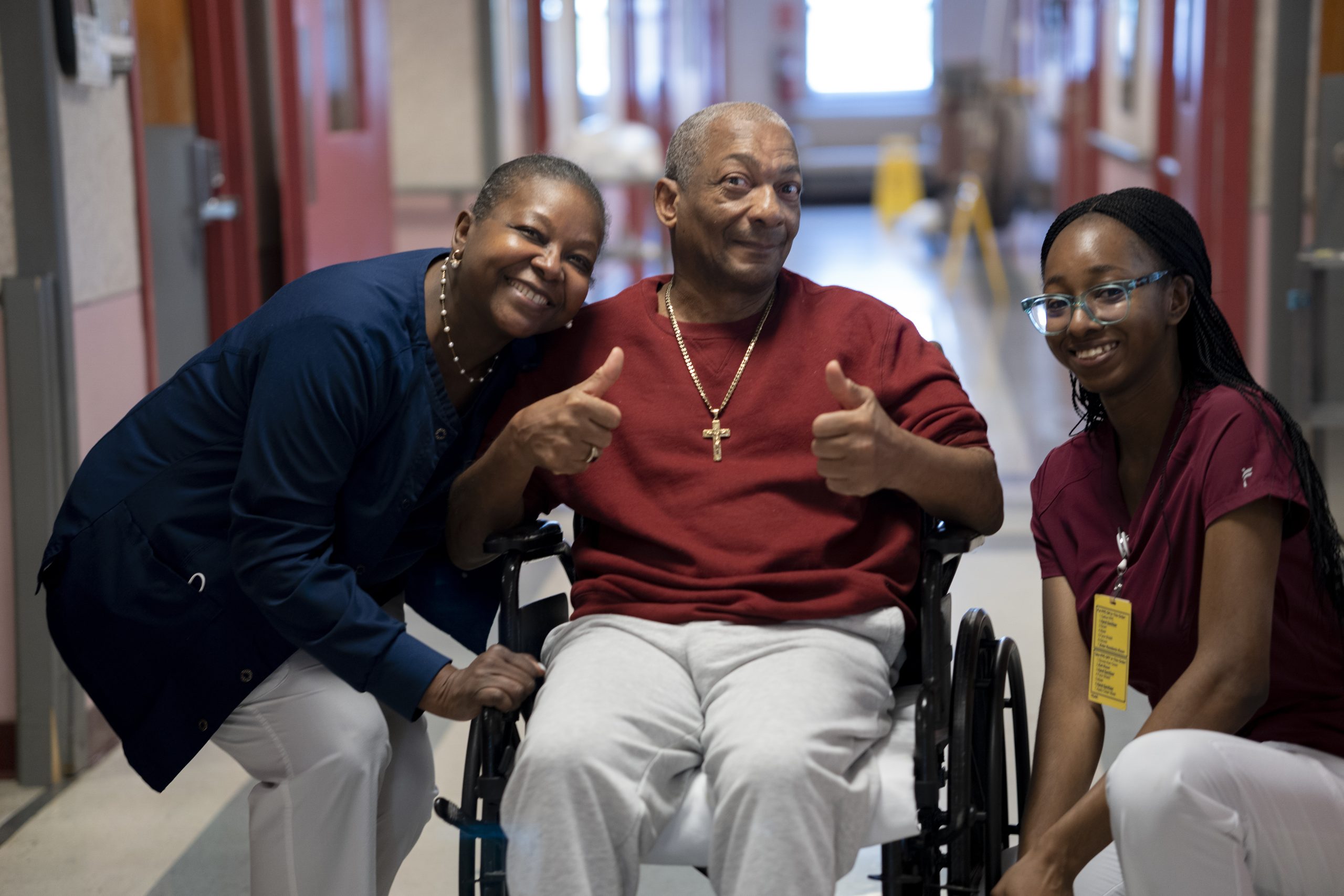
When it comes to caring for loved ones with memory challenges, choices can feel overwhelming. Many families face a critical question: should we choose for-profit or nonprofit facilities? This decision shapes not only the quality of care but also the emotional well-being of both residents and their families. At Chapin Home for the Aging, we believe in putting people first, embracing a mission that focuses on understanding each individual’s needs rather than merely meeting profit goals. This article explores how our dedication to compassionate, tailored support makes a difference in the lives of seniors living with dementia and Alzheimer’s while highlighting the unique advantages of nonprofit memory care organizations.
Mission-Driven Memory Care Overview
In today’s world, it’s easy to overlook the nuanced differences between for-profit and nonprofit memory care facilities. However, nonprofits often excel in providing compassionate and customized care for individuals living with dementia or Alzheimer’s. The focus on patient well-being goes beyond mere words at Chapin Home for the Aging. Studies consistently show that nonprofit nursing homes tend to prioritize quality care more significantly than their for-profit counterparts. This means residents at nonprofit facilities often benefit from better staff-to-patient ratios, translating to personalized attention and responsiveness to individual needs. With more caregivers available, families can have peace of mind knowing that their loved ones receive dedicated assistance, thereby enhancing the overall quality of life.
Families often find comfort in knowing that staff members are attentive partners in their loved one’s journey. For instance, our memory care programs seamlessly incorporate engaging activities like music and art therapy tailored to fit individual capabilities and interests. These holistic therapies do not merely serve as distractions; they stimulate cognitive functions and foster emotional connections, encouraging residents to express themselves and interact with the community around them.
Community Trust and Transparency
One significant advantage of being a nonprofit organization is transparency. Families feel reassured seeing a visible commitment to the well-being of residents rather than the bottom line. This openness builds trust, an invaluable currency in a sensitive environment like memory care. While it’s clear these principles set nonprofits apart, it’s essential to acknowledge the financial challenges they face. Operating under a mission rather than profit margins means nonprofit facilities must constantly seek funding sources to maintain high-quality services without sacrificing care standards. However, the personal rewards far outweigh these challenges when you see how families embrace this model with hope and confidence. This steadfast focus on providing genuine support illuminates the path forward in nurturing both residents and their families during vulnerable times.
Role of Skilled Nursing Staff
The skilled nursing staff play a pivotal role in delivering high-quality memory care, serving as the lifeline between medical expertise and emotional support for residents. Not only do they administer medications and monitor health conditions, but they also weave themselves into the fabric of each resident’s daily life. This unique relationship allows them to identify subtle changes in behavior or mood that might indicate underlying issues, ensuring timely interventions.
Advanced Training and Specialized Skills
Nurses working with memory care patients are not just any nurses; they specialize in techniques tailored for individuals living with cognitive impairments like dementia and Alzheimer’s disease. At Chapin Home for the Aging, for instance, nurses participate in ongoing professional development programs that equip them with the latest knowledge and tools available in the field. This training is crucial; it empowers our staff to apply innovative approaches that can significantly improve the quality of care.
In fact, studies from sources like the Alzheimer’s Association illustrate a substantial drop in occurrences of aggression and anxiety when nurses are trained specifically for dementia care. Such evidence highlights how these skilled professionals can manage symptoms while actively working towards reducing them through compassionate interactions and personalized approaches.
Building Trusting Relationships
The importance of developing trust cannot be overstated in memory care settings. Residents must feel secure and understood while navigating their daily challenges. A heartfelt connection enables nurses to tailor their approaches uniquely to each resident’s needs, leading to improved cooperation and comfort during care routines. This bond extends beyond transactional care; it nurtures a positive atmosphere where residents can flourish. When nurses take the time to understand individual preferences, life histories, and emotional triggers, they create an environment of safety that promotes emotional well-being.
These relationships emphasize the profound impact of compassionate care within nursing dynamics. As we explore further, we will uncover how community involvement enhances these vital efforts.
Volunteer Contributions
In nonprofit memory care facilities like Chapin Home for the Aging, volunteers serve as the connective tissue that enriches the lives of residents, offering support in both mundane tasks and fulfilling relationships. Their contributions extend far beyond simple assistance; they become part of a community where every interaction matters.
Enhancing Quality of Life
The presence of volunteers has a profound impact on the social fabric within memory care facilities. They provide essential companionship and help create social opportunities among residents.
For instance, dedicated volunteers make these cozy evenings filled with laughter during weekly game nights or movie screenings possible by stepping up to organize and facilitate the activities. Not only do volunteers lighten the load of the staff by assisting with daily tasks, but they also bring energy and connection that foster a vibrant community atmosphere. This involvement doesn’t just lead to increased activity levels; it enhances emotional well-being. Studies indicate that regular social interaction can significantly improve the quality of life for seniors, particularly those living with Alzheimer’s or dementia. At Chapin Home for the Aging, these efforts have shown tangible benefits, evidenced by happier faces and engaging conversations as volunteers build rapport with residents.
These active engagements highlight how vital volunteer participation is in shaping an enriching environment for residents, paving the way for deeper connections with families and greater support systems within the community.
Community and Family Support
Nonprofits like Chapin Home for the Aging understand that memory care relies heavily on the strength of families and communities, which play a vital role in providing compassionate care for those with dementia. Family involvement is crucial, leading to the establishment of Family Involvement Programs designed to create meaningful connections between family members and the care process.
Family Involvement Programs
These programs are more than just meetings; they are safe spaces where families can share their experiences, feelings, and frustrations about caring for loved ones suffering from memory-related conditions. For example, Chapin Home for the Aging hosts monthly family support groups specifically aimed at helping relatives navigate the emotional challenges associated with dementia. These gatherings encourage open dialogue, allowing family members to express their concerns while finding solace in shared experiences. The benefit here is twofold: families gain valuable insights into coping strategies while also building a support network that often extends beyond the walls of the facility.
Community Outreach Initiatives
Look for facilities that actively engage with their surroundings because these partnerships are essential in fostering a broader understanding of memory disorders. Chapin Home for the Aging frequently collaborates with local organizations to host dementia-friendly events and educational seminars, emphasizing knowledge sharing about dementia’s effects while promoting best practices in caregiving.
Such outreach does more than educate; it nurtures a collective sense of responsibility for memory care within the community. When people share their knowledge and resources, the stigma surrounding dementia diminishes, leading to greater empathy and support for affected families. Furthermore, these efforts enhance community cohesiveness by bringing diverse groups together, allowing individuals to unite under a common cause.
Just imagine attending an event where community members gather to learn from experts about dementia care while enjoying activities designed for those experiencing cognitive decline. The impact is profound: not only does it promote understanding, but it also creates a more inclusive environment where everyone can contribute toward tackling the challenges of memory care together.
By establishing strong connections with families and ensuring active engagement within the community, organizations like Chapin Home for the Aging pave the way for enhanced support systems and shared knowledge that enriches everyone’s understanding of memory care. This sets the stage for exploring the various engaging opportunities available for residents to thrive as part of this nurturing ecosystem.
Resident Activities and Programs
At Chapin Home for the Aging , we understand that memories are not just stored in the mind but experienced through shared moments. Engaging activities go beyond merely filling time; they provide outlets for creativity, joy, and connection. That’s why our programs are diverse and tailored to cater to the individual needs of our residents, focusing on both their preferences and abilities.
Personalization
The heart of our programming lies in personalization. We don’t believe in a one-size-fits-all approach; each resident’s unique story guides us in creating individualized activity plans. By understanding their likes and personal history, whether it’s a passion for painting or a favorite board game, we ensure that activities resonate deeply with them. As cognitive functions change over time, we adapt these plans too, introducing new games or modifying existing routines when necessary for continuous engagement.
This adaptability is crucial because it keeps our residents involved and joyful about participating. For example, a resident who once enjoyed nature walks but may now prefer more stationary activities could transition into crafting or storytelling sessions that evoke those same feelings of connection with nature.
As we continue to explore the landscape of nonprofit care, it’s essential to understand the ethical framework guiding these organizations and their commitment to excellence in serving those in need.
Ethical Guidelines in Nonprofit Care
Ethical considerations are at the forefront of nonprofit memory care, especially as they form the backbone of quality support and trust in facilities like Chapin Home for the Aging. The commitment to uphold moral principles plays a crucial role in shaping an environment where residents can feel safe, valued, and respected. These principles guide day-to-day interactions and define how the organization approaches care.
Resident Dignity
At Chapin Home for the Aging, the upholding of resident dignity is paramount. Adherence to strict ethical guidelines ensures that privacy is respected, and personal space is honored. This person-centered approach means recognizing each resident as an individual with their preferences and values. Care plans are tailored to these unique needs, promoting a sense of autonomy rather than compliance. For example, when entering a resident’s room, staff members always knock first and ask permission before engaging; this simple act of courtesy conveys profound respect.
Beyond simple interactions, safeguarding personal information is a key aspect of dignity. Confidentiality protocols ensure that sensitive details about health and history remain secure. In practice, this translates into routine training for staff on issues like privacy policies and ethical practices in handling resident data. Such measures not only protect individuals but also build trust between residents and staff, essential for anyone in long-term care.
Transparency and Accountability
Another critical ethical component is transparency. Regular audits in financial operations hold nonprofits accountable. But it goes beyond just financial scrutiny; it’s about open communication and family involvement. Families can access performance reports detailing care outcomes or even attend public board meetings to gain insights into budget allocations and operational decisions. This level of engagement fosters community relationships that reinforce accountability.
Research underscores this value: a 2023 study revealed that 80% of respondents preferred nonprofit facilities for long-term care primarily due to their transparency standards. Knowing where donations go or how funds are utilized provides peace of mind to families entrusting their loved ones to communal care. It assures them that their contributions directly improve resident lives, not just cover administrative costs.
These ethical commitments shape an environment conducive to healing and dignity within memory care settings. Embracing such principles allows Chapin Home for the Aging not only to meet regulatory requirements but also to enhance the overall experience of both residents and their families. With a focus on ethics front and center, organizations like Chapin strive daily to reinforce their mission: caring for individuals regardless of their backgrounds while ensuring happiness, safety, and holistic well-being every step of the way.
Innovations and Future Trends in Memory Care
The landscape of memory care is evolving rapidly, driven by technological advancements and ongoing research. Today, care facilities are transforming from traditional settings into hubs of innovation focused on enhancing the overall well-being of residents. This exciting frontier converges resources to create better outcomes for those living with memory impairments.
Technological Integration
One major trend is the integration of technology in day-to-day care routines. Innovations like telemedicine enable caregivers to connect with healthcare providers remotely, ensuring timely consultations without the stress of travel. Furthermore, wearable health monitors are becoming commonplace, allowing continuous tracking of vital signs such as heart rate and activity levels. This constant stream of data can alert caregivers to potential health issues before they escalate.
Research and Development
Ongoing partnerships with research institutions play a crucial role in shaping the future of memory care. Nonprofit organizations frequently collaborate with universities to explore groundbreaking therapies and treatments that could benefit residents through participation in clinical trials.
However, it’s essential to remain vigilant regarding the results and potential long-term effects of these new therapies. Learning from each trial refines methods for personalized care, creating an environment where every resident feels valued and respected.
Focus on Individualized Care
In the future, there is a promising trend toward further personalization in memory care, driven largely by advancements in genetics and personalized medicine. Customized treatment plans will be developed based on genetic profiles, enabling us to address the unique needs of each resident more effectively.
By embracing these innovations while respecting individual histories and preferences, we ensure that each person feels truly seen and cared for. In this evolving landscape, providing exceptional memory care becomes less about merely managing symptoms and more about enhancing life’s quality through informed and innovative strategies.
In light of these advancements and trends, organizations committed to memory care have the unique chance to redefine how we approach treatment and support for seniors experiencing memory challenges.
Why Choose Chapin Home for the Aging ?
When seeking exceptional care for your loved ones, Chapin Home for the Aging in Queens, New York, stands as a beacon of trust and compassion. With over 155 years of dedicated service, our non-profit skilled nursing facility offers a harmonious blend of medical expertise and heartfelt care, ensuring residents receive top-tier medical attention in a nurturing environment that feels like home. Residents have access to various activities and events that foster social interaction and mental stimulation. From engaging recreational programs to spiritual services, every aspect of life at Chapin Home for the Aging is geared towards enriching the lives of our residents. Contact us today!